Longyixing Chemicals


  Thermoplastic Polyurethane(TPU)Wire and Cable Sleeving
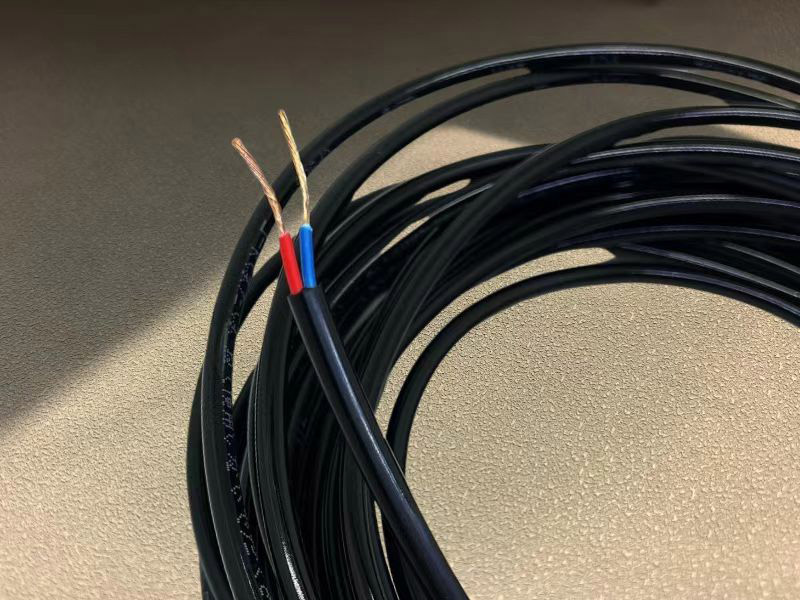
  High-Performance TPU Material for Advanced Cable Protection Solutions
  Thermoplastic Polyurethane(TPU)wire and cable sleeving is a high-performance protective solution widely used in modern electrical and industrial applications.With excellent flexibility,abrasion resistance,and environmental durability,TPU material provides superior protection for cables operating in demanding conditions.
  TPU sleeving delivers a better balance of mechanical strength,flexibility,and long-term stability,making it an ideal choice for next-generation cable systems.
  What is TPU Cable Sleeving?
  TPU cable sleeving is an extruded protective layer made from thermoplastic polyurethane elastomer.It is designed to wrap around wires,cable bundles,or harness systems to provide:
  Mechanical protection
  Abrasion and wear resistance
  Oil,grease,and chemical resistance
  Flexibility for dynamic movement
  Electrical insulation support
  Due to its elastomer-like performance,TPU sleeving performs exceptionally well in environments with frequent bending,vibration,or mechanical stress.
  Key Properties of TPU Wire&Cable Sleeving
  1.Excellent Flexibility&Bend Resistance
  TPU maintains outstanding elasticity even under low temperatures,allowing cables to move freely without cracking or breaking during repeated bending cycles.
  2.Superior Abrasion Resistance
  The tough molecular structure of TPU provides strong resistance against friction,dragging,and mechanical wear,significantly extending cable service life.
  3.Oil,Chemical&UV Resistance
  TPU sleeving resists exposure to oils,fuels,and industrial chemicals,while also offering strong UV stability for outdoor applications.
  4.Wide Temperature Performance
  TPU performs reliably in both low and high temperature environments,maintaining flexibility and mechanical strength across a wide working range.
  5.High Durability for Dynamic Applications
  Ideal for moving systems such as robotics,automation equipment,and energy chains where continuous motion requires long-lasting cable protection.
  Applications of TPU Wire and Cable Sleeving
  TPU cable sleeving is widely used across multiple industries where durability and flexibility are critical:
  Industrial Automation&Robotics
  Used in robotic arms,drag chains,and motion systems requiring continuous flexing and high fatigue resistance.
  Automotive Industry
  Protects wiring harnesses in engine compartments,EV systems,and automotive electronics exposed to heat,oil,and vibration.
  Consumer Electronics&Appliances
  Provides neat cable organization and protection for internal and external wiring systems.
  Energy&Power Systems
  Ensures safe cable routing in power distribution systems,control panels,and industrial machinery.
  Outdoor&Harsh Environment Applications
  Suitable for UV-exposed or weather-sensitive installations requiring long-term stability.
  Advantages of TPU Over Traditional Materials
  TPU offers:
  Higher abrasion resistance
  Better low-temperature flexibility
  Improved chemical and oil resistance
  Longer service life
  More stable mechanical performance under stress
  This makes TPU a preferred material for high-performance cable protection systems.
  Why Choose TPU Cable Sleeving?
  TPU wire and cable sleeving is designed for applications where standard materials fail.It provides:
  Enhanced safety for electrical systems
  Reduced maintenance and replacement costs
  Improved cable organization and appearance
  Strong adaptability for complex environments
  With its excellent balance of flexibility and toughness,TPU is becoming a key material in modern cable engineering.
 Longyixing Chemicals Co., Ltd
Longyixing Chemicals Co.,Ltd, with 10+ years of experience in TPU R&D and manufacturing, we proudly serve clients across 30+ countries. Our 20,000+ sqm advanced production facility houses 7 fully automated production lines, delivering an annual capacity of 50,000+ tons to meet your TPU needs efficiently and reliably.
