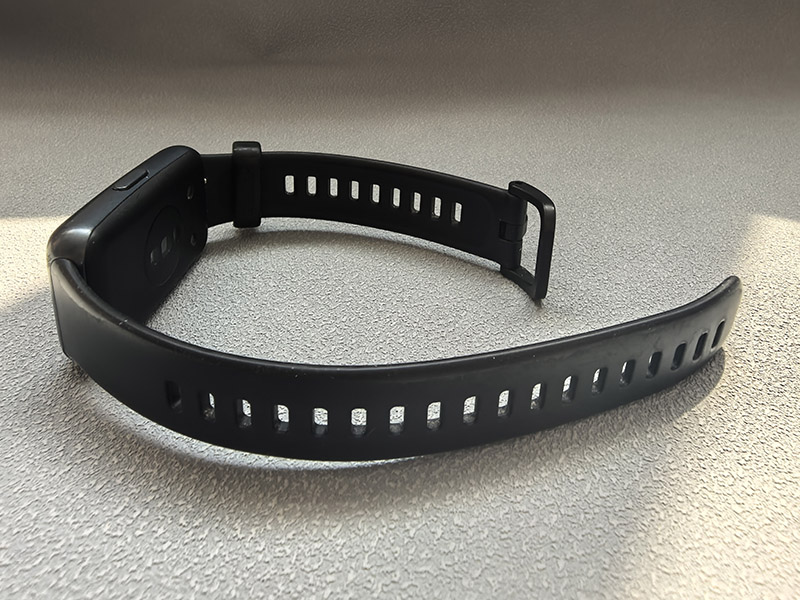
Thermoplastic Polyurethane (TPU) is one of the most versatile elastomers in modern manufacturing — prized for its outstanding abrasion resistance, flexibility, and long-term durability. Yet TPU is far from a one-size-fits-all material. Choosing the wrong grade can mean premature product failure, inflated scrap rates, or costly reformulation. This complete selection guide walks you through every critical decision point so you can match the right TPU to your application with confidence.

From footwear outsoles and EV charging cable jackets to medical tubing and automotive trim, TPU serves an extraordinarily wide range of industries. The challenge is that different chemistries, hardness levels, and processing grades behave very differently under real-world conditions. A material that excels in a dry indoor environment may degrade rapidly when exposed to moisture, UV radiation, or aggressive chemicals. Understanding these distinctions is the foundation of smart TPU selection.

Step 1: Define Your Application Requirements

The first and most important step in TPU selection is clearly defining the performance expectations and operating environment of the end product. Skipping this step often leads to over-specification (wasting budget) or under-specification (risking field failures). Before evaluating any material datasheet, answer the following questions:

Mechanical Demands

  • Will the part face repeated mechanical stress, flexing, or abrasion?
  • Is tensile strength or tear resistance the primary concern?
  • Does the design require load-bearing rigidity or soft-touch flexibility?

Environmental Exposure

  • Will the material contact water, oils, fuels, or industrial chemicals?
  • Is outdoor UV exposure a factor?
  • What is the operating temperature range (low-temperature flexibility vs. heat resistance)?

Aesthetic & Regulatory Needs

  • Is optical clarity or color stability required?
  • Must the product meet REACH, RoHS, FDA, or medical-grade certifications?
  • Are bio-based or recyclable material options needed for sustainability targets?

Clear answers to these questions will immediately narrow your TPU shortlist from dozens of grades to a handful of candidates, saving significant time in the qualification process.

Step 2: Choose the Right TPU Chemistry

TPU is synthesized from three core building blocks: a diisocyanate, a chain extender, and a long-chain polyol. The chemistry of TPU can be classified along two independent dimensions: the type of polyol (which governs hydrolysis resistance, flexibility, and mechanical properties) and the type of isocyanate (which determines UV stability and cost profile). Understanding both dimensions is essential for making an informed selection.

Classification by Polyol Type

The polyol component is the primary driver of a TPU’s performance characteristics. There are four main polyol-based TPU families used in commercial applications:

Polyester TPU

The most common and widely used type of TPU.

  • Excellent physical properties and mechanical strength
  • Excellent temperature and chemical resistance
  • Poor hydrolytic stability — not suitable where water resistance is critical
  • Applications: Injection & extrusion, phone cases, shoes, automotive parts, films, tubing, consumer goods

Polyether TPU

Slightly lower density than the other three types.

  • Excellent low-temperature flexibility, hydrolysis resistance, antibacterial properties, and weather resistance
  • Particularly suitable for applications requiring high water resistance or exceptionally long service life
  • Applications: Water sports equipment, fire hoses, large-diameter water pipes, electronic components, military products, ear tags

Polycaprolactone TPU (PCL TPU)

Similar physical properties to polyester-based TPU.

  • Excellent low-temperature performance and hydrolytic stability
  • Excellent compression resistance
  • Mainly used in hydraulic and pneumatic sealing applications
  • Applications: Seals, industrial tubing, casters

Polycarbonate TPU (PCDL TPU)

Outstanding overall physical properties.

  • Excellent hydrolytic and antibacterial resistance, comparable to polyether TPU
  • Excellent thermal stability, chemical resistance, and extremely low gel content
  • Applications: Large-diameter pipes, oil pipelines, flexible storage tanks
Performance radar chart of different TPU types
Figure 1. Performance comparison of the four polyol-based TPU types across six key dimensions: Hydrolytic Resistance, Antimicrobial Properties, Oil & Chemicals Resistance, Low Temperature Flexibility, Mechanical Properties, and Thermal Stability.

Classification by Isocyanate Type

The isocyanate component primarily determines the TPU’s UV stability, optical clarity, and cost. There are two main isocyanate-based families:

Aromatic TPU (MDI-based)

The most common type — over 95% of commercial TPU is MDI-based.

  • Excellent mechanical properties, abrasion resistance, and elasticity
  • Good thermal stability and chemical resistance
  • Low cost, but poor UV resistance (prone to yellowing)
  • Applications: Industrial and consumer products

Aliphatic TPU (ADI-based)

The premium choice for UV-exposed and optically demanding applications.

  • Excellent UV resistance and color stability; non-yellowing
  • Excellent optical clarity (depending on ADI type)
  • Moderate mechanical properties; poor elasticity and heat resistance
  • Applications: Automotive window films, laminated glass, optical components, and other UV-critical applications

Note: For most indoor and structural applications, Aromatic (MDI-based) TPU offers the best cost-performance balance. Reserve Aliphatic (ADI-based) grades for applications where UV stability, non-yellowing, or optical clarity is a non-negotiable requirement — as they carry a significant cost premium.

Step 3: Select the Proper Hardness

TPU hardness is measured on the Shore A or Shore D scale and typically ranges from 60A (very soft) to 75D (rigid). Hardness directly determines the feel, flexibility, and load-bearing capacity of the final product. Selecting the wrong hardness is one of the most common — and most costly — mistakes in TPU specification.

Hardness Range Shore Scale Key Characteristics Typical Applications
Soft TPU 60A – 85A High flexibility, soft touch, excellent elastic recovery Wearables, soft grips, flexible tubing, medical catheters
Medium TPU 90A – 98A Balanced flexibility and mechanical strength Footwear midsoles, consumer goods, cable jackets
Semi-Hard TPU 50D – 60D Higher rigidity, good dimensional stability Automotive trim, industrial rollers, protective cases
Hard TPU 63D – 75D High load-bearing capacity, structural rigidity Gears, structural components, heavy-duty industrial parts

It is important to note that hardness does not directly correlate with abrasion resistance or tensile strength — these are independent properties determined by the polymer chemistry and formulation. Always cross-reference hardness with the full mechanical property datasheet before making a final selection.

Step 4: Match the TPU Grade to Your Processing Method

Even a chemically perfect TPU grade will fail in production if it is not compatible with your manufacturing process. TPU grades are specifically engineered for different processing methods, and using the wrong grade can result in surface defects, dimensional instability, or degraded mechanical properties.

TPU injection molding process
Figure 3. TPU injection molding requires grades with excellent melt flow and thermal stability to fill complex geometries without degradation or surface defects.

Injection Molding

  • Requires good melt flow and thermal stability
  • Suitable for complex, precise geometries
  • Pre-drying is critical (moisture content <0.02%)
  • Widely used in footwear, consumer electronics, and automotive components

Extrusion

  • Requires stable melt strength and consistent viscosity
  • Used for tubing, films, profiles, and cable jackets
  • Screw design and temperature profile are critical for surface quality
  • Slag accumulation and bulging are common issues with inferior grades

Foaming (E-TPU)

  • Expanded TPU beads fused under steam or pressure
  • Produces lightweight, resilient foam structures
  • Popular in athletic footwear midsoles (e.g., running shoes)
  • Excellent energy return and long-term compression set resistance

Film & Sheet Calendering

  • Requires high clarity, uniform thickness, and flexibility
  • Used in protective films, laminations, and textile coatings
  • Aliphatic grades preferred for UV-stable, optically clear applications

Injection Molding Reference Parameters:

Melt Temperature: 190–220°C  |  Mold Temperature: 20–50°C

Extrusion Reference Parameters:

Zone 1: 160°C  |  Zone 2: 175°C  |  Zone 3: 185°C  |  Die: 190°C

Note: Exact parameters vary by grade, equipment, and part geometry. Always consult the supplier’s processing guide and conduct trial runs before full production.

Step 5: Evaluate Mechanical and Chemical Performance

Once you have narrowed your selection by chemistry, hardness, and processing method, the next step is to validate performance against your application’s specific mechanical and chemical requirements. The following properties are most commonly specified in TPU procurement:

Performance Property Polyester TPU Polyether TPU Aliphatic TPU
Abrasion Resistance Excellent Good Good
Tensile & Tear Strength Excellent Good Good
Hydrolysis Resistance Poor Excellent Good
Low-Temperature Flexibility Moderate Excellent Good
Oil & Chemical Resistance Excellent Good Moderate
UV & Weathering Resistance Poor (yellowing) Poor (yellowing) Excellent
Microbial Resistance Susceptible Excellent Good
Optical Clarity Moderate Moderate Excellent

For applications in harsh environments — such as outdoor cables, marine equipment, or medical devices — always prioritize the resistance properties over cost. A material failure in the field is invariably more expensive than the premium paid for a higher-performance grade.

Step 6: Balance Cost and Performance

High-performance TPU grades offer superior durability and reliability, but they also carry a higher material cost. In many applications, a well-balanced formulation provides sufficient performance at a more competitive price point. The key is to avoid both over-specification and under-specification.

Avoid Over-Specification

Specifying aliphatic TPU for an indoor, non-UV-exposed application adds unnecessary cost. Match the material to the actual performance requirements, not the theoretical maximum.

Avoid Under-Specification

Using a low-cost, powder-filled modified TPU to save on material cost often leads to processing defects (slag accumulation, surface bulging) and higher scrap rates that far exceed the initial savings.

Collaborate with Your Supplier

Experienced TPU manufacturers can customize formulations to meet specific performance targets at optimized cost. Sharing your full application brief — not just a hardness number — enables better material recommendations.

Note: The total cost of ownership (TCO) of a TPU material includes not just the raw material price, but also scrap rates, processing downtime, field return rates, and warranty costs. A premium-grade TPU that eliminates production defects often delivers a lower TCO than a budget alternative.

Step 7: Check Sustainability and Regulatory Compliance

As global supply chains face increasing scrutiny from regulators and end consumers alike, material compliance and sustainability have become non-negotiable factors in TPU selection for many industries. Failing to address these requirements early can result in costly product redesigns or market access barriers.

Regulatory Compliance

  • REACH / RoHS: Essential for products sold in the EU market
  • FDA 21 CFR: Required for food-contact and medical-grade applications
  • UL 94: Flame retardancy certification for electrical and electronic products
  • OEKO-TEX: Relevant for textile and apparel applications

Sustainability Options

  • Bio-based TPU: Derived from renewable feedstocks (e.g., castor oil-based polyols), reducing carbon footprint
  • Recycled-content TPU: Incorporates post-industrial or post-consumer recycled material
  • Recyclability: TPU is thermoplastic and can be reprocessed, unlike thermoset rubbers

Documentation Requirements

  • Request full Safety Data Sheets (SDS) and Technical Data Sheets (TDS)
  • Obtain third-party test reports for critical certifications
  • Verify supply chain transparency for conflict-free and ethical sourcing

Quick Reference: TPU Selection by Application

The following table provides a practical starting point for matching TPU type to common end-use applications. These are general recommendations; always validate with supplier datasheets and application-specific testing.

Application Recommended Chemistry Typical Hardness Key Requirement
EV Charging Cable Jacket Polyether TPU 85A – 95A Hydrolysis resistance, flexibility, flame retardancy
Footwear Outsole Polyester TPU 60A – 80A Abrasion resistance, tear strength
Athletic Footwear Midsole Expanded TPU (E-TPU) Foam grade Lightweight, energy return, compression set
Medical Tubing / Catheter Polyether TPU 70A – 90A Biocompatibility, hydrolysis resistance, flexibility
Automotive Clear Coat Film Aliphatic TPU 60D – 75D UV stability, optical clarity, scratch resistance
Industrial Conveyor Belt Polyester TPU 90A – 60D Abrasion resistance, oil resistance, dimensional stability
Protective Textile Coating Polyether or Aliphatic TPU Film grade Flexibility, hydrolysis resistance, adhesion
Agricultural Hose Polyether TPU 80A – 95A UV resistance, flexibility at low temperatures, chemical resistance

Conclusion

Choosing the right TPU is a multi-dimensional decision that goes far beyond picking a hardness number from a catalogue. It requires a systematic evaluation of application environment, chemistry, processing compatibility, mechanical performance, regulatory compliance, and total cost of ownership.

As a general rule: Polyester TPU excels where abrasion resistance and mechanical strength are paramount; Polyether TPU is the preferred choice for applications exposed to moisture, low temperatures, or biological environments; and Aliphatic TPU is indispensable where UV stability and optical clarity are non-negotiable.

By aligning material properties with real product requirements — and working closely with an experienced TPU manufacturer — you can achieve optimal performance, production efficiency, and long-term product reliability.

Need expert guidance on TPU selection for your specific application? Contact Longyixing Chemicals — 10+ years of TPU R&D expertise, 50,000+ tons annual capacity, serving clients in 30+ countries. Get a customized material recommendation today.